What to do about mosquitoes
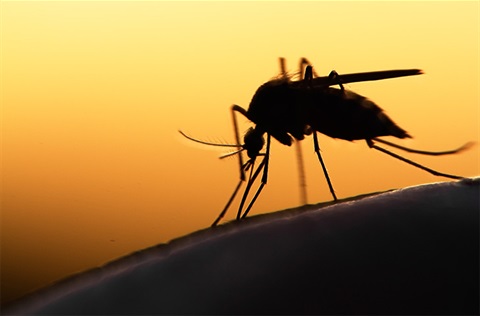
Mosquitoes carry West Nile virus
Mosquito activity is year-round in Southern California due to our warm weather.
When temperatures drop low enough, mosquitos will go underground in storm drains, sewers and other sheltered warm spots, hibernating until it’s warm enough to emerge.
Mosquito eggs only need 5 to 7 days to grow into biting adults, so be sure to “tip and toss” any standing water around your home or yard, especially after rainfall.
If you are getting bites, the water is likely in your yard.
Stagnant water accumulating in ditches, drains, gutters, pools and even the smallest household or backyard containers is ideal for mosquito breeding. Mosquitos do not fly far.
Did you know that just one cup of water left standing for more than seven days can produce 300 to 500 mosquitoes?
How West Nile virus is transmitted
West Nile Virus is transmitted to people and animals through the bite of an infected mosquito. There is no cure. One in five persons infected with the virus will exhibit symptoms, which can include fever, headache, body aches, nausea or a skin rash. There is no human vaccine for WNV, and severe cases can lead to paralysis or even death.
Symptoms of West Nile virus
One in five persons infected with the virus will exhibit symptoms, which can include:
- Fever
- Headache
- Body aches
- Nausea
- Skin rash
These symptoms can last for several days to months.
One in 150 people infected with the virus will require hospitalization. Severe symptoms include high fever, muscle weakness, neck stiffness, coma, paralysis and possibly death.
Two types of mosquitoes
- The Culex (common house) mosquito is a mildly aggressive pest that prefers to bite birds and animals, but they do bite people…mostly between dusk and dawn. They require standing water to lay their eggs.
- The “ankle biter” Aedes mosquito prefers human blood and bites actively during the day. Their eggs can remain alive for years on the dry surface of a container even after every drop of water has been removed, and hatch into larvae when conditions are right.
Take these steps to protect your family
- Eliminate standing water in clogged rain gutters, rain barrels, discarded tires, buckets or anything that holds water for more than a week.
- Scrub containers thoroughly to dislodge any eggs in crevices and along the waterline.
- Ensure that swimming pools, spas, and ponds are properly maintained.
- Change the water in pet dishes, birdbaths and other small containers weekly.
- Request mosquitofish from your local vector control district for placement in ornamental ponds.
- Wear EPA-recommended insect repellent containing DEET, Picaridin or oil of lemon eucalyptus when outdoors where mosquitoes may be present.
- Check window screens and repair or replace as needed.