Chapter 11: A new century

Overview

Lakewood in the 21st century has preserved its neighborhoods and its optimism. But the city faces challenges.

Lakewood residents in 1954 hoped to benefit from the better future they had been promised, but the ups and downs of an economy tied to defense spending periodically unsettled Lakewood lives through the 1990s. More recently, Lakewood families felt the economic blows delivered by the closures of the Long Beach Naval Station and the Long Beach shipyard, as well as the recession of 2007-2009. The COVID-19 pandemic posed even more challenges for Lakewood families.

Pro-incorporation flyer includes an endorsement of incorporation by a government expert.Lakewood was promised a bright future in 1954.

Some critics of suburban communities like Lakewood still despaired of the entire suburban experience, having decided that communities built since Levittown in 1946 were, as one bitter observer put it, “the place where evil dwells.”

While it was true that the first decades of the 21st century questioned many assumptions, it was equally true that Lakewood as a diverse and welcoming community of homes, schools, religious congregations, and retail centers hadn’t changed radically. Residents, according to community polling going back to the 1980s, agreed that their city delivered a decent quality of life.

Forces outside Lakewood have also intervened in the city's future. Beginning in 1992, facing another budget deficit, the state legislature began shifting local property tax revenue from cities, counties, and special districts to reduce the burden of educational costs that had been shifted to the state’s General Fund by Proposition 13, the 1978 property tax initiative.

Takeaways of local revenue followed by the end of redevelopment authority in 2012 put Lakewood and other cities at risk. They found it harder to find the fiscal resources needed to pay for law enforcement, local street maintenance, neighborhood parks, and city facilities.

To keep budgets in balance, the Lakewood City Council cut millions in spending, froze hiring for vacant positions, and deferred some repairs. The council also created a committee to consult with residents and members of civic organizations.

Lakewood voters responded to the implications of a growing structural deficit by approving a modest retail sales tax increase in 2020. The sales tax measure included strict accountability requirements, the creation of a citizens oversight committee, public disclosure of all spending, and annual independent financial audits. Despite the new revenue,  city officials knew that challenges to Lakewood's quality of life remain.

Goal: Safe, strong community

How is the city keeping Lakewood safe and strong?

Public safety is the prime guarantor of Lakewood's future. For safety's sake, the city currently spends about $13 million a year on law enforcement activities that include patrol deputies, special assignment officers, burglary suppression patrols, and other specialized crime fighting units. Notable additions to public safety are overnight security guard patrols and a community prosecutor who has made progress on many public safety and quality of life issues in neighborhoods..

To keep Lakewood strong, the city has continually invested in neighborhood improvements, including the landscaping of the city’s gateway boulevards; the upgrading of Lakewood parks; the construction of the Weingart Senior Center, the Burns community center, and the Palms Park community center; the opening of The Centre; the expansion of the Lakewood Sheriff’s Station; the construction of the John Sanford Todd Community Center; the development of Rynerson Park and the Lakewood Equestrian Center; the renewal of Monte Verde Park; the creation of the West San Gabriel River Parkway Nature Trail; repaving of every residential street in Lakewood; the replacement of park playgrounds, and renewal of the Veterans Memorial Plaza at Del Valle Park.

Macy's department store in Lakewood Center

What actions has the city taken to protect the local economy?

The city also focused its attention on preserving and expanding Lakewood’s economic base. City officials worked to keep Lakewood “business friendly” even when other cities hiked fees and imposed new costs on business owners.

But even low business taxes, low fees, and the best efforts of Lakewood’s economic development team would not have been enough if it weren’t for the men and women of Lakewood’s business community. They showed their faith in Lakewood’s future by making major investments.

Goal: Neighborhood preservation

How has the city invested in neighborhoods?

With the support of Lakewood residents, the city has spent carefully to protect and expand (where needed) the city’s infrastructure – a technical term that describes the streets, traffic signals, landscaping, sidewalks, water systems, parks, community buildings, and other public facilities that make everyday life in Lakewood possible.

Some of Lakewood’s infrastructure (such as storm drains and sewers) is the responsibility of the County of Los Angeles. Electrical, telephone, and gas service, are managed by utility companies.

Worker installing a length of new water mainHow will the city help preserve Lakewood's quality of life?

Despite fiscal constraints, Lakewood continues to invest in street repair and neighborhood and park improvements. These projects typically have a variety of funding sources, often from state and federal programs that limit how the money can be spent.

Neighborhood street maintenance, for example, uses a mix of federal Community Development Block Grant funds, other federal sources, gas tax revenue, and the city’s General Fund. By 2012, 100 percent of city’s 143 miles of residential and arterial streets had been repaved.

Lakewood also toughened its water system to harden it against disaster.

The city’s infrastructure is essential to its future, but it’s not where Lakewood residents live. It’s at the level of their neighborhoods that Lakewood residents measure the health of their city.

Exterior of a typical Lakewood tract houseHow will city programs and policies preserve neighborhoods?

Beginning in the late 1970s, the city developed additional approaches for protecting the quality of neighborhood life.

Lakewood’s loan programs, begun in 1978, makes no-interest loans to qualified homeowners for roofing, plumbing, interior and exterior painting, and retrofitting homes for physical disabilities. A second program offers a grant, but only for exterior painting.

The experience of other communities taught Lakewood through the 1980s and 1990s that some uses in retail centers could drag down the quality of the surrounding residential neighborhood. In response, Lakewood pioneered legislation to limit the operation of adult business and massage parlors.

Lakewood put new technology into every phase of the city’s day-to-day operations, from law enforcement to customer service to recreation program registration.

You could sum up all these efforts under a single, overriding Lakewood value: preservation of the city’s quality of life.

Goal: Environmental focus

What can the city do to help residents preserve the environment?

Neighborhood values inevitably connect to regional and statewide concerns. Like most Californians, Lakewood residents place a high value on protecting natural resources and promoting a healthy environment in their community.

Storm drain warning warns that dumping affects ocean environments.

When Lakewood attitudes toward the environment were surveyed in the late 1990s, an overwhelming majority of respondents said that they considered themselves “strong environmentalists.”

Their conviction was more than a slogan. Under state law, Lakewood is in the front line of environmental protection, water and electrical power conservation, water pollution prevention, waste reduction, hazardous waste management, air quality improvement, and other programs designed to reduce the city's reliance on landfills, keep toxics out of storm water, and manage the emission of greenhouse gases that contribute to climate change. (Learn about new rules for food waste recycling)

Goal: Tomorrow's city

What des the future hold for Lakewood?

Lakewood residents and city officials know that Lakewood’s future is open ended. While certain aspects of the community are not likely to change, other aspects of Lakewood are destined for reinterpretation and reinvention. The tomorrow of “tomorrow’s city” remains a collaborative effort of residents and their elected leaders, a process that blends enduring values with creative inspiration to create the future Lakewood.

Lakewood City Council Members never lacked confidence, even during the worst economic or political upheavals of the past. But no one at Lakewood City Hall is foolish enough to predict exactly where Lakewood will be in the next 10 years. Still, city officials have had a general sense of what the future will bring:

Public safety. Lakewood's focus on crime prevention and suppression have kept Sheriff’s response time for calls below the countywide average, added a fingerprint technician to the Lakewood Station's burglary team, put more traffic units on city streets, continued to crack down on illegal fireworks sale and use, and reached out to residents to warn them of crime trends and scams that target social media users.

Crime trends rise and fall because of factors outside the city's ability to control, but Lakewood residents can expect future public safety initiatives to be effective, flexible, and neighborhood oriented.

Council districts. In a significant political change, city council members are now chosen by district, with each council member elected by voters in that district.

Greater diversity. Lakewood has been one of the most diversifying cities in the nation, according to Census statistics. To ensure that the values of equity, diversity, and inclusion remain firmly part of Lakewood's future, the City Council adopted a Community Dialogue Action Plan in 2020. The plan includes a series of roundtable discussions with residents on race, equity, diversity, and inclusion and regular reports to residents on the programs that result from the Community Dialogue process.

Lakewood is committed making the community the most welcoming place it can be for everyone. (Learn about Lakewood's efforts to be more inclusive)

Young couple with a baby representing Lakewood's increasing diversityWhat can Lakewood do to meet the needs of new generations of residents?

Housing needs. Lakewood’s future will be shaped by two realities: lack of developable land and pressures for greater neighborhood density. Lakewood will have to respond to the needs of new residents, and the most pressing will be their need for homes.

State takeaways. Because of state actions that drained Lakewood of local tax revenue and redevelopment funding, the city faced a growing structural deficit. Lakewood voters in 2020 adopted a modest sales tax increase to combat revenue losses. However, city officials are convinced that efforts at the state level to change revenue and land use policies will continue to impact Lakewood.

Limits on development. Lakewood has very limited opportunities for new commercial projects. There's simply nowhere to build. With only about six percent of the city zoned for business uses, Lakewood has less than half the regional average. All but a scant few acres are already developed with shops and businesses.

Changing retail economy. Good planning and a great location have kept Lakewood's retail centers profitable. But will the traditional stores that anchor regional malls become obsolete because of online shopping?

Changing job market. Lakewood was built on a foundation of good-paying jobs in industries like aerospace, shipbuilding, and petrochemicals. Today’s economy has fewer of these jobs. More of the region’s economic base is in the service sector where wages and benefits are lower and job security more fragile. Even newer forms of work will redefine how Lakewood families make a living.

Environmental impacts. Drought, climate change, and future pandemics will affect the Lakewood community in ways that are only partly understood.

New technology. Online government – Lakewood’s “24-hour city hall” concept – debuted in 1996, making it easy for residents to keep on top of city news, sign up for city recreation programs, and pay city bills at www.lakewoodcity.org. (To keep these transactions secure, the city council also adopted a set of tough policies to protect consumer information.) Newer technology will deliver more change in the next decade.
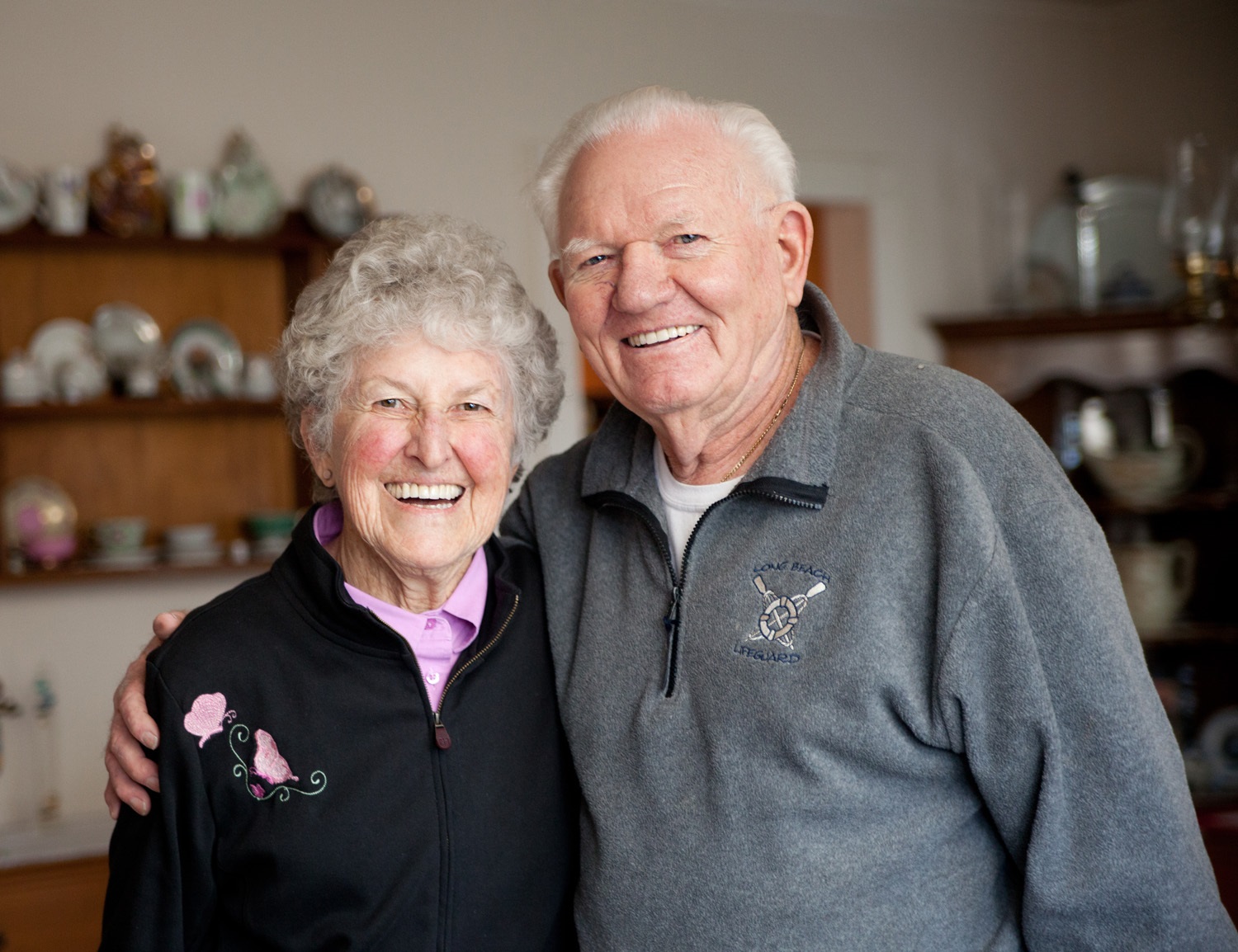
Older.jpg

How will an older Lakewood fare in the 21st century?

An older suburb. Lakewood’s 1950s-era homes have defied predictions that they wouldn’t outlast the 1990s, but there are ultimate limits on the longevity of the city’s housing stock. And while many homes have been remodeled and most are in good repair, Lakewood's older homes need additional care.

Political stability. Unlike some cities, whose transition from new suburb to mature community resulted in a legacy of bitter political and community conflict, Lakewood’s spirit of community has seen it through even the hardest of times.

In the end, Lakewood residents found the right direction. They decided Lakewood would be a city that maximized the “human capital” of willing volunteers to sustain the community. And it would be a city that thoughtfully put equity, diversity, and inclusion among its top goals.

Lakewood is navigating the 21st century with its civic values intact, its traditions alive, and its story of incorporation retold to a new generation of residents. The basic character of Lakewood isn’t in question. It will always be – as it is today – a city of homes, schools, businesses, and places of worship.

The challenges of the next decade are big, none bigger than keeping Lakewood a welcoming community. But so are the city's aspirations for its future, based on years of success in providing the quality of life that distinguishes Lakewood's neighborhoods.


Lakewood Data

Lakewood is 9.5 square miles in area. When the city incorporated in 1954, Lakewood was 6.5 square miles with a population in excess of 70,000. Annexations in the early 1960s added three square miles to the city.

The 2020 United States Census reported that Lakewood had a population of 82,496 living in 25,756 households. 72% of the city's homes were owner occupied. The 2020 population density was 8,767 people per square mile.

The racial makeup of Lakewood in 2020 was 34.3% Non-Hispanic White, 33.8% Hispanic/Latino of any race, 9.1% Black, 19.2% Asian, 1.1% Pacific Islander, and 0.5% Native American. 6.3% of resents were of two or more races.

The median age for Lakewood residents was 38.6 years. 54% of residents have lived here twenty years or more. 5.9% are veterans.

According to the City's Comprehensive Annual Financial Report, the top employers in the city are:

  • Long Beach Unified School District
  • City of Lakewood
  • County Department of Children & Family Services
  • Bellflower Unified School District
  • Los Angeles County Sheriff's Department
  • ABC Unified School District
  • Wal-Mart
  • CostCo
  • Albertson's
  • Pacific Ford

Lakewood City Council Members: 1954-Present

 Lakewood City Council Members

Angelo Iacoboni, Council Member 1954-1964

Gene Nebeker. Council Member 1954-1964

George Nye, Jr., Council Member 1954-1971

Robert Baker, Council Member 1954-1972

William Burns, Council Member 1954-1972

Woodrow W. Smith, Council Member 1964-1966 & 1971-1972

Mark Hannaford, Council Member 1966-1974

Charles Schweitzer, Council Member 1964-1974

Sheila Pokras, Council Member 1972-1976

Wayne Piercy. Council Member 1972-1976 & 1987-2005

William Young, Council Member 1972-1976

Jo Bennitt, Council Member 1974-1978

Larry Van Nostran, Council Member 1975-2012

Donald Plunkett, Council Member 1976-1977

Dan Branstine, Council Member 1976-1980

G. C. DeBaun, Council Member 1976-1984

Paul Zeltner, Council Member 1977-1986

Jacqueline Rynerson, Council Member 1978-1990

Robert Wagner, Council Member 1980-2005

Marc Titel, Council Member 1984-2001

Joe Esquivel, Council Member 1990-2011

Todd Rogers, Council Member 2001-Present

Diane DuBois, Council Member 2005-2020

Steve Croft, Council Member 2005-Present

Jeff Wood, Council Member 2011-Present

Ron Piazza, Council Member 2013-2020

Vicki Stuckey, Council Member 2020-2022

Ari Pe, Council Member 2020-2024

Cassandra Chase, Council Member 2022-Present

David Arellano, Council Member 2024-Present